agent
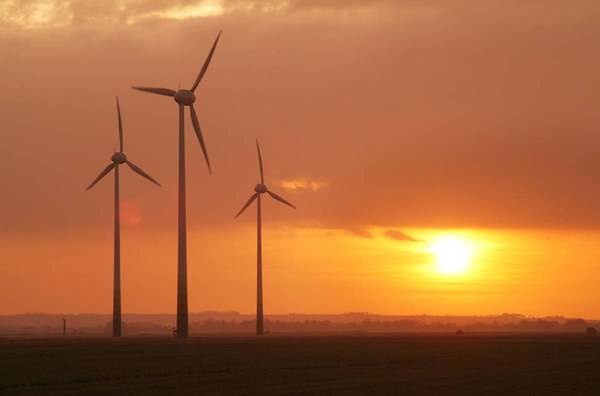
Almost every energy supplier now talks about green energy, and the word can mean very different things. For one company it means electricity matched with certificates bought on the market. For another it means generating power from wind and sun it built itself. If you are thinking about switching, the useful question is not whether a tariff is called green, but what is actually behind the label.
This guide uses information published by Ecotricity, a British energy supplier that describes itself as Britain’s overall greenest energy company, to show which details are worth checking. Ecotricity’s claims are attributed to the company throughout, and you can find the full pages on the Ecotricity website.
In this guide
Start with the Fuel Mix Table
Ecotricity points out that every UK energy company has to publish where its electricity comes from each year. That table, called a fuel mix disclosure, is the quickest way to compare suppliers on the same footing. For 2025/26, Ecotricity reports that its electricity came 100 percent from renewable sources, including offshore wind, onshore wind, solar and hydro. In the same disclosure it shows the UK average as 48 percent renewables, 31.4 percent natural gas, 13.7 percent nuclear and 4.7 percent coal.
The environmental impact table shows the same comparison for emissions: Ecotricity lists 0 g of CO2 per kWh against a UK average of 147 g per kWh. The company notes that the government’s disclosure treats wind and solar as producing zero carbon dioxide at the point of generation, which is an important detail to remember when you read any emissions figure.
Green Electricity: Generating Versus Buying
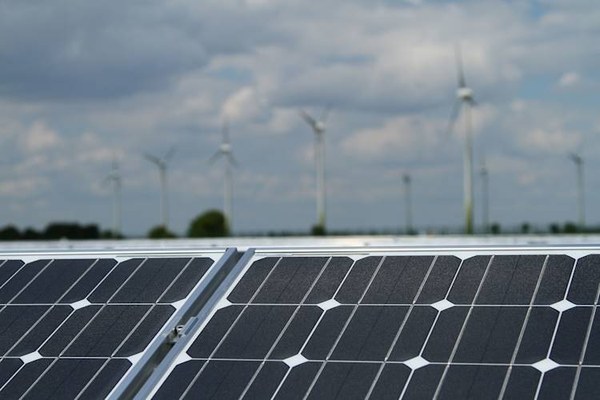
Ecotricity says its electricity is 100 percent green, made from the sun and the wind. It states that it generates about 10 percent of that itself and buys the rest as certified green energy from other green generators or through the wholesale market. What it says makes it different is the Bills into Mills model: instead of paying dividends, it invests customers’ bills in building new wind and sun parks.
According to the company, it has built 24 wind parks with 74 windmills, enough to power more than 44,000 homes, and it has been generating green electricity from wind since 1996. It also lists sun parks with a combined capacity of 17.5 MW, and says it is building a grid-scale battery to store energy for peak times. Because your home is supplied through the National Grid, the electrons are not delivered directly from these sites, a point the company states clearly on its fuel mix page.
Green Gas Is a Different Question
Gas is harder to make green, and this is where it pays to read the small print. Ecotricity describes its gas as a mix of sustainable green gas and fossil gas. It says about 1 percent of the gas it supplies currently comes from its green gasmills, with the rest being fossil gas, and that it invests in carbon removal and nature recovery projects in Britain rather than relying on international carbon credits.
Its green gas is made from grass cuttings by anaerobic digestion, which produces biomethane that is fed into the grid. The company says its first gasmill in Reading, Berkshire is planned to supply 3,500 homes, saving up to 3,200 tonnes of carbon dioxide a year, based on the assumptions stated on its site. Whatever supplier you choose, ask what share of gas is truly green today and what is planned for the future.
What Vegan Energy Means
Ecotricity says it has removed anything involving animals from its energy sources, because anaerobic digestion at some suppliers uses manure or other animal by-products. The company states that it is certified as vegan by The Vegan Society and Viva!. If this matters to you, check the feedstock listed in a supplier’s fuel mix rather than relying on the green label alone.
Tariffs at a Glance
Ecotricity’s tariff page lists two options for households. Both are 100 percent green and vegan-certified according to the company, with no early exit fee and no smart meter required. The company says prices for the Green Variable tariff are not fixed and that this tariff is derogated from the Ofgem price cap, so check the current unit rate and standing charge before you decide.
| Feature | Green Variable | Pay As You Go |
|---|---|---|
| Tariff type | Variable | Variable |
| Contract length | No contract | No contract |
| Prices reviewed | Varies | Every 3 months |
| Early exit fee | None | None |
| Billing | Monthly | Pay in advance |
| Smart meter required | No | No |
| Compatible with Economy 7 | Yes | Yes |
Smart Meters and the App
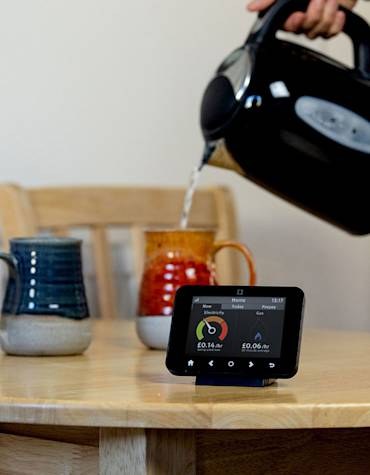
The company says it is rolling out smart meters to customers, with two installation partners, and that they send readings automatically so bills are not estimated. The meter’s in-home display shows how much energy you use in near real time, and Ecotricity promotes its app as a way to manage your usage through a smart meter.

How the Switch Works
Ecotricity describes a four-step switching process, and says you will be on supply with the company after 5 working days:
- Step 1: start your switch by getting a quote, choosing a tariff and receiving a welcome pack.
- Step 2: the company notifies your supplier and confirms when your old supplier gives the green light.
- Step 3: you are on supply with Ecotricity after 5 working days.
- Step 4: sit back and start enjoying the supplier’s customer care.

Before you switch, keep your latest meter reading, your postcode and your current tariff details at hand, so you can compare a quote like for like.
A Quick Checklist Before You Switch
- Read the fuel mix table, not only the tariff name.
- Ask how much of the supplier’s electricity it generates itself and how much it buys.
- Check the share of green gas in the gas supply.
- Compare unit rates, standing charges and the exit fee.
- Find out whether a smart meter or an app is included.
If you decide to take a look, you can request a quote on the Ecotricity quote page, or read more about its energy sources on the Ecotricity green energy page.
Information was taken from the Ecotricity website on 28 October 2026 and may change. Statements about energy sources, certification and impact are made by the company and have not been verified by this site. Some links in this article are affiliate links, which means we may earn a commission at no extra cost to you.