agent
A garden pond does most of its work on its own in summer, but winter brings three problems: falling leaves, ice on the surface and cold water that changes how fish feed. A little preparation in November can make the difference between a healthy pond in spring and a smelly, sludgy one.
This checklist covers the main winter jobs and the kit that helps, using products from Pondkeeper, a UK pond supplies specialist based in Billingham, Teesside. Prices and stock were checked on 4 November 2026 and can change.
Shop Pondkeeper Winter Essentials
Winter pond checklist
Winter Pond Kit at a Glance
| Job | Product | Price (4 Nov 2026) | Key detail |
|---|---|---|---|
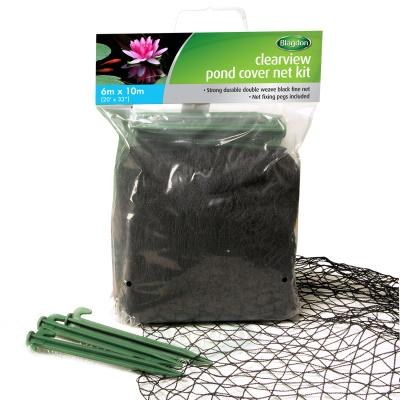
| Keep leaves out | Blagdon Clearview Pond Cover Net 10m x 6m | £59.99 | Fine netting, almost invisible once fitted |
| Clear debris | PondXpert Heavy Duty Skimmer Net | £22.99 | Fits the PondXpert HD handle (sold separately) |
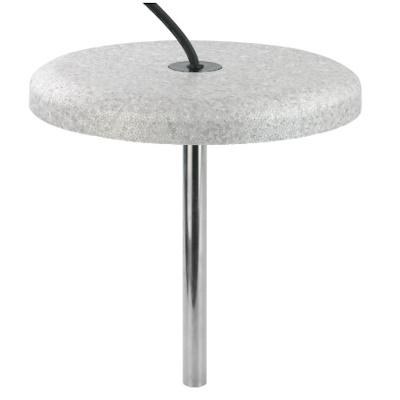
| Ice-free hole | SuperFish Pond Heater 150w | £34.99 | Floats on the surface |
| Ice-free hole (small ponds) | Blagdon Affinity Ice Vent 50w | £44.99 | For ponds up to 5,000 litres |
| Aeration | Hozelock 320 Pond Air Pump | £54.99 | Up to 1,800 litres with fish |
| Cold-water feeding | Tetra Wheatgerm Sticks 2,000g | £34.99 | For water below 10°C |
Pondkeeper says delivery is free on UK orders over £79, with a £4.99 charge on smaller orders.
1. Net the Pond Before the Leaves Fall
Leaves that sink to the bottom rot over winter, releasing nutrients and gases and building up sludge. A cover net stops most of them reaching the water, and Pondkeeper notes that cover nets also deter predators. The Blagdon Clearview net pictured above measures 10m x 6m, and Pondkeeper describes the netting as tough but fine, making it almost invisible once in place. It was rated 4.6 out of 5 by customers on the product page. Smaller ponds can use a smaller net; PondXpert also sells a 3m x 2m cover net.
2. Skim Out Whatever Gets Through
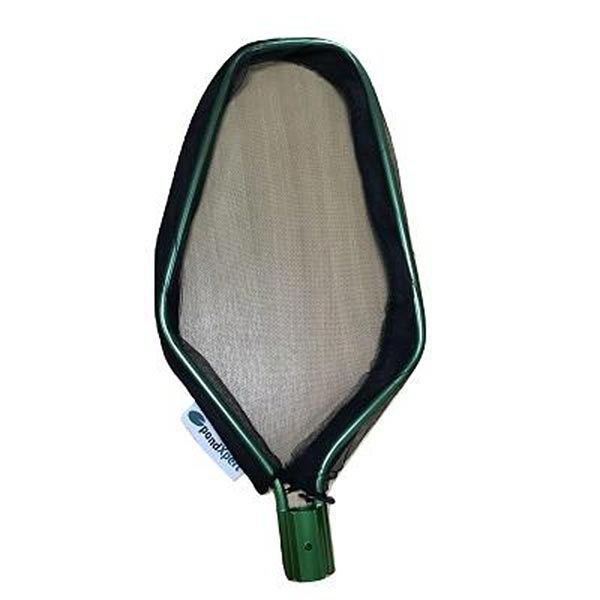
Even with a net, some leaves and debris reach the water. The PondXpert Heavy Duty Skimmer Net is part of the brand’s “HD” net system, aimed at keen pondkeepers, and is designed for skimming leaves and debris off the surface. Note that it fits the HD handle, which is sold separately. Its product page showed a 5 out of 5 rating.
3. Keep a Hole in the Ice
This is the most important winter job for fish ponds. Pondkeeper explains that an ice-free area lets oxygen into the pond and lets harmful gases escape; without it, fish can suffocate or be poisoned by a build-up of toxic gas. Pond keepers are generally advised not to break the ice by force, as this can disturb the fish.
The SuperFish Pond Heater 150w, pictured above, floats on the surface and keeps an area of water free of ice. Pondkeeper adds that the open water also gives wild birds somewhere to drink and bathe.
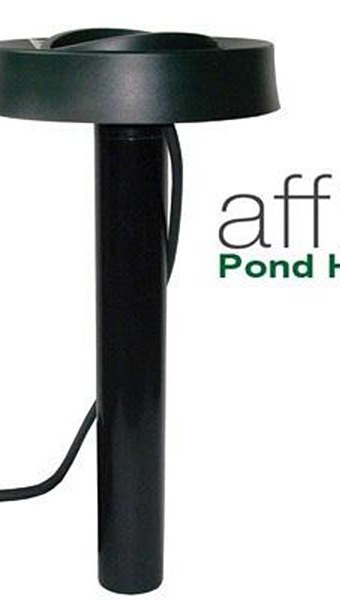
For small ponds and water features, the Blagdon Affinity Ice Vent 50w uses a low-wattage convection design. Pondkeeper says it is 66% more economic to run than other models and suits ponds of up to 5,000 litres; larger ponds need more than one. It was rated 4.8 out of 5.
4. Keep the Water Moving with Air
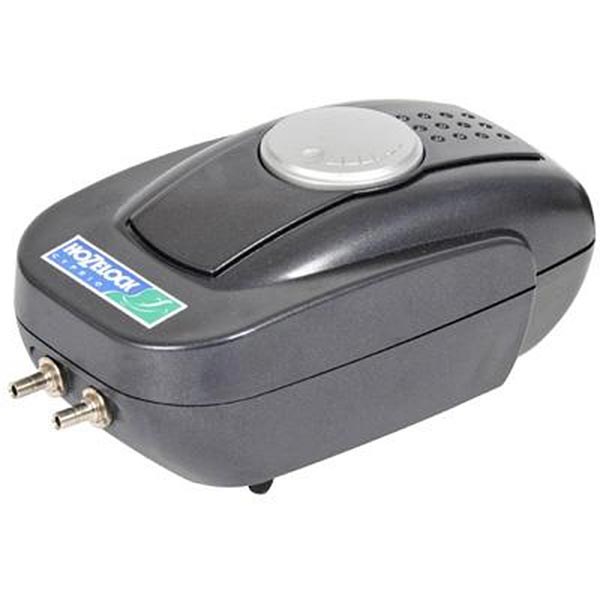
An air pump is useful year-round. Pondkeeper notes that air pumps can circulate water and help prevent a pond from freezing in winter, as well as adding oxygen in summer. The Hozelock 320 is a small, weatherproof air pump that Pondkeeper says has been a bestseller since it launched in 2012. It is rated to aerate 2,200 litres, or 1,800 litres if keeping fish and 860 litres for koi, and was rated 4.8 out of 5.
5. Change How You Feed
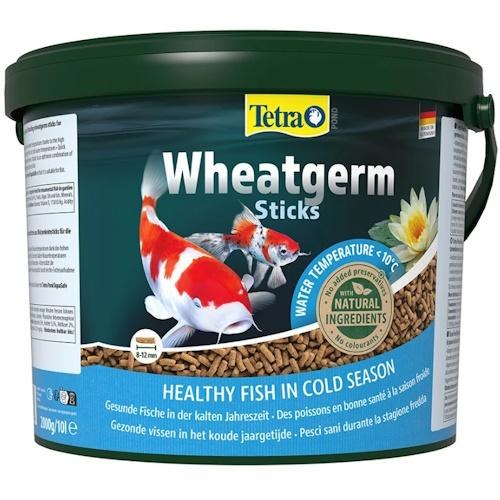
Fish slow down as the water cools, and their digestion slows with them. Tetra Wheatgerm Sticks are described as a food for feeding pond fish when water temperatures are below 10°C, with fibre-rich floating sticks. A pond thermometer helps you judge when to switch. Whatever you feed, give only as much as the fish eat within a few minutes, and remove leftovers so they do not rot. When the water gets very cold, fish often stop feeding altogether, and many pondkeepers stop feeding until it warms up again.
More Winter Jobs
- Cut back dying marginal and oxygenating plants so they do not rot in the water.
- Clean pump and filter sponges in pond water, not tap water, to protect helpful bacteria.
- Check outdoor electrics and cables before the worst weather arrives.
- Remove and store delicate pumps and UV units if the manufacturer recommends it.
- Check the pond every few days during hard frosts to make sure the ice-free hole stays open.
Which Items Do You Really Need?
Not every pond needs everything on this list. A wildlife pond with no fish mainly needs leaf protection and a way to skim debris. A fish pond, especially one stocked with koi, benefits most from an ice-free hole, aeration and cold-water food. If budget is tight, the net and some form of ice-free area should come first, because rotting leaves and a sealed surface are the two problems most likely to harm fish over winter. Use Pondkeeper’s pond calculator to check your pond’s volume before choosing a heater or air pump.
Final Thoughts
An hour or two of work now saves a lot of cleaning in spring and protects your fish through the cold months. Net the pond, keep a hole in the ice, keep air moving and adjust your feeding. You can find all of these items in the Pondkeeper winter pond range.
Browse Pondkeeper Pond Products
For pumps, heaters, food and spares, visit the Pondkeeper website.
Disclaimer: This article contains affiliate links. If you buy through them we may earn a commission at no extra cost to you. Prices, ratings and stock were checked on 4 November 2026 and may change.