agent
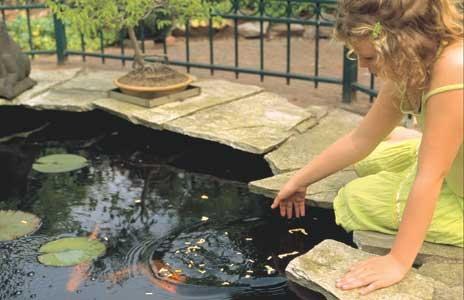
Pond fish are cold-blooded, which means their body works at the same temperature as the water around them. In summer they are hungry, active and happy to eat several times a day. As autumn arrives and the water cools, their digestion slows right down, and food they would have eaten in minutes in July can sit in their gut or sink and rot in the pond.
Getting the change in diet right is one of the simplest ways to keep goldfish and koi healthy through the winter. In this guide we explain how feeding should change with the water temperature and compare the foods sold by Pondkeeper, the UK pond specialist, from its own PondXpert range to Tetra and Nishikoi. Prices are from pondkeeper.co.uk at the time of writing.
Shop Pond Fish Food at Pondkeeper
In this guide
Why Water Temperature Matters
The key number to remember is 10°C. Pondkeeper’s feeding advice for its PondXpert foods is to feed two or three times a day when the water is at 10°C or above, giving only as much as the fish can eat in a few minutes and removing any floating leftovers. Tetra says that when the water drops below 10°C you should switch to wheatgerm food only.
The best way to know is to measure. A simple floating pond thermometer costs very little and saves a lot of guesswork, because the air temperature can be quite different from the water, especially in a deep pond.
A Simple Feeding Plan by Season
| Water temperature | What to feed | How often |
|---|---|---|
| Above 10°C (late summer and early autumn) | Staple pellets, sticks or flakes | 2 to 3 times a day, what they eat in a few minutes |
| Below 10°C (late autumn) | Wheatgerm food only | Less often, small amounts |
| Very cold water in deep winter | Many keepers stop feeding | Only if fish are actively looking for food |
| Warming again in spring | Wheatgerm, then back to staple food | Increase slowly as the water warms |
The last two rows are common pond-keeping practice rather than a fixed rule. Fish in very cold water barely move and live off the reserves they built up in summer, so a light touch is always safer than overfeeding.
Pondkeeper Foods Compared
| Food | Type | Protein | Sizes and prices |
|---|---|---|---|
| PondXpert Winter Wheatgerm | 0.5cm pellet, 10% wheatgerm | 22% | 475g £6.99, 1kg £9.99, 4kg £29.99, 10kg £49.99 |
| Tetra Wheatgerm Sticks | Floating stick | Not listed | 780g £16.99, 1,400g £24.99, 2,000g £34.99 |
| PondXpert Staple Pellets | 0.5cm pellet | 27% | 400g £6.99, 1kg £9.99, 4kg £29.99 |
| PondXpert Koi Sticks | 1.5cm floating stick | 29% | 300g £6.99, 1kg £9.99, 4kg £29.99 |
| Nishikoi Staple Pellets | 0.6cm floating pellet | 28% | 350g £8.99, 750g £12.49, 2.5kg £29.99 |
| Tetra Pond Holiday Block | Gel block, 14 days | Not listed | 73g £6.99 |
Best Winter Food: PondXpert Winter Wheatgerm
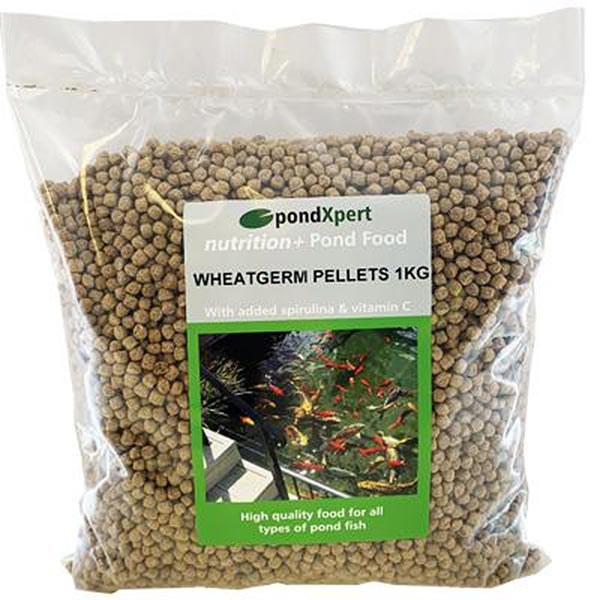
Wheatgerm foods are lower in protein and easier to digest, which is exactly what fish need in cold water. PondXpert Winter Wheatgerm has 22% protein, compared with 27% to 29% in the summer foods, and contains 10% wheatgerm plus added spirulina and vitamin C. The pellets are 0.5cm, so they suit goldfish as well as koi. The 1kg bag costs £9.99, half the £19.99 RRP. See PondXpert Winter Wheatgerm.
If you prefer a branded option, Tetra Wheatgerm Sticks are a fibre-rich floating stick designed for water below 10°C. They start at £16.99 for 780g. The largest 2,000g bucket was out of stock at the time of writing.
Get Winter Wheatgerm at Pondkeeper
For Now and Next Spring: Staple Foods
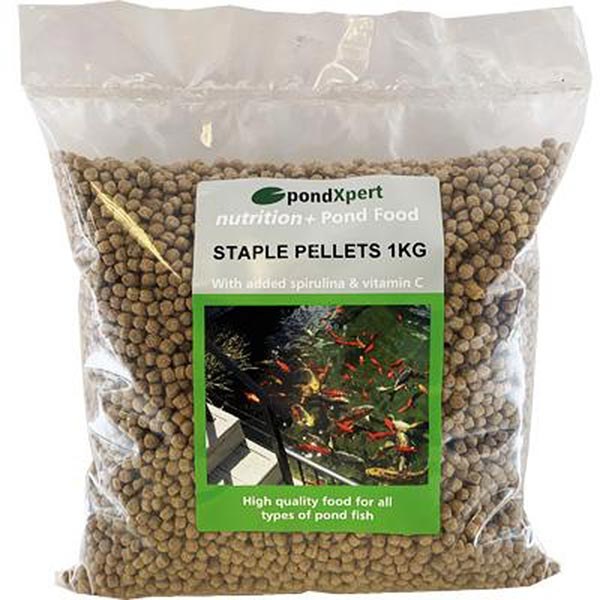
While the water is still above 10°C, a good staple food helps fish build reserves before winter. PondXpert Staple Pellets are a 0.5cm pellet with 27% protein, suitable for all pond fish, at £9.99 for 1kg.
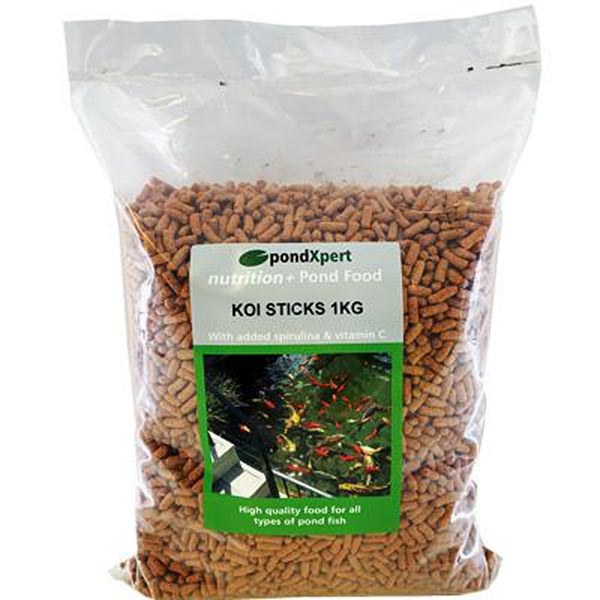
For larger koi, PondXpert Koi Sticks are an orange floating stick, 1.5cm long, with 29% protein, also £9.99 per kilo. Pondkeeper’s customer reviews note that smaller fish may need the sticks to soften first, so they are best for ponds with bigger fish.
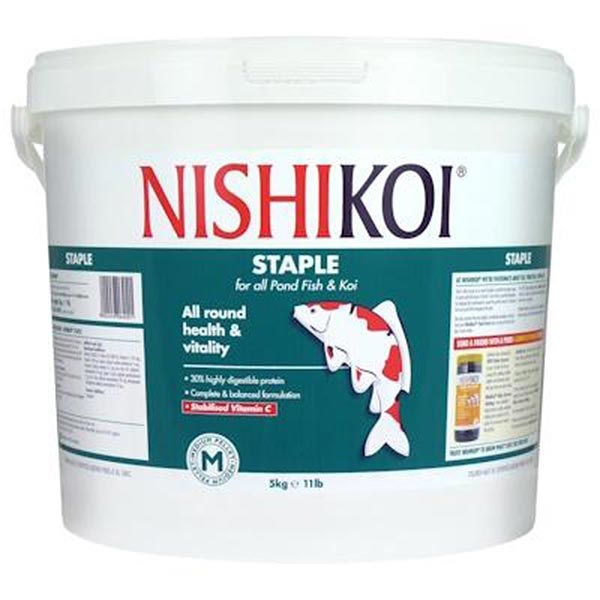
Nishikoi Staple Food Pellets are a well-known complete diet for all pond fish, with 28% protein and a 0.6cm floating pellet in a resealable tub. They start at £8.99 for 350g, with the 750g tub at £12.49.
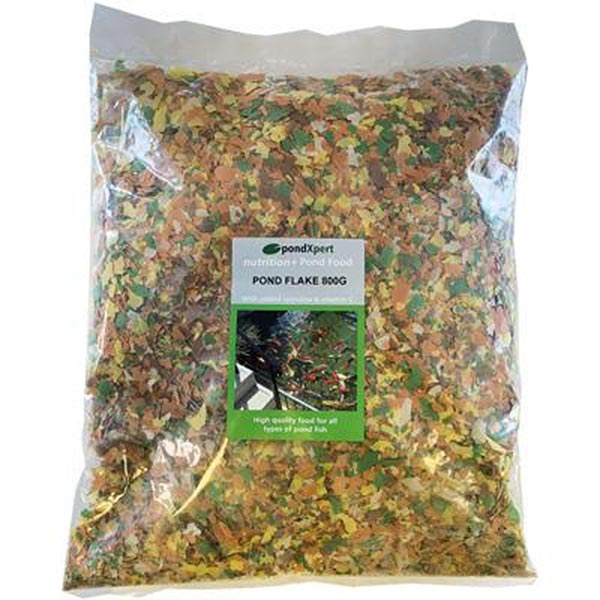
Flake food is another option for ponds with small goldfish, shubunkins or young fish, because the thin pieces are easy to eat. PondXpert Pond Flake is part of the same budget range and starts at £6.99. As with every summer food, stop using it once the water drops below 10°C and switch to wheatgerm until spring.
Going Away? Holiday Blocks
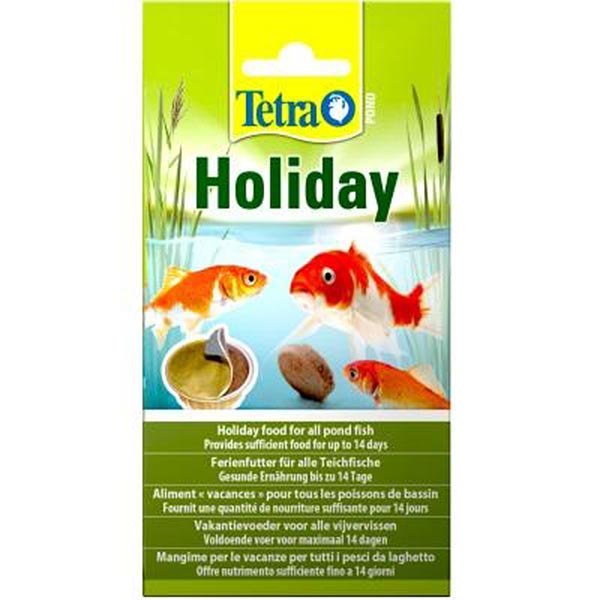
Holiday blocks are handy for autumn half-term breaks while the fish are still feeding. Tetra says one 73g Pond Holiday Block feeds 10 to 15 medium goldfish, or 2 to 3 medium koi, for 14 days. It uses a gel formula with no plaster, so it does not change the water chemistry. It costs £6.99. Browse holiday food at Pondkeeper.
Winter Feeding Tips
- Never feed more than the fish clear in a few minutes, and scoop out leftovers.
- Feed at the warmest part of the day, usually early afternoon.
- Store food in a cool, dry place and seal the bag, because old food loses vitamins.
- Keep part of the surface free of ice so gases can escape, but never smash the ice, as the shock waves can stress fish.
Conclusion
The rule is simple: staple food while the water is above 10°C, wheatgerm when it falls below, and very little or nothing in the coldest weeks. Pondkeeper’s own PondXpert range covers every stage from £6.99, with branded Tetra and Nishikoi foods as alternatives. Stock up for winter at Pondkeeper.
Frequently Asked Questions
When should I switch to wheatgerm food?
When the pond water drops below 10°C, as Tetra recommends for its wheatgerm sticks.
Can goldfish eat koi food?
Many koi foods are suitable for all pond fish, but large sticks can be too big for small goldfish. Choose small pellets such as the 0.5cm PondXpert range.
Should I feed my fish in winter?
In very cold water most fish need little or no food. Feed sparingly and only if they are active.